Commercial cleaning Birmingham.
A better kind of clean.
From the first desk to the last warehouse aisle. Thoughtful cleaning for the places Birmingham does business.
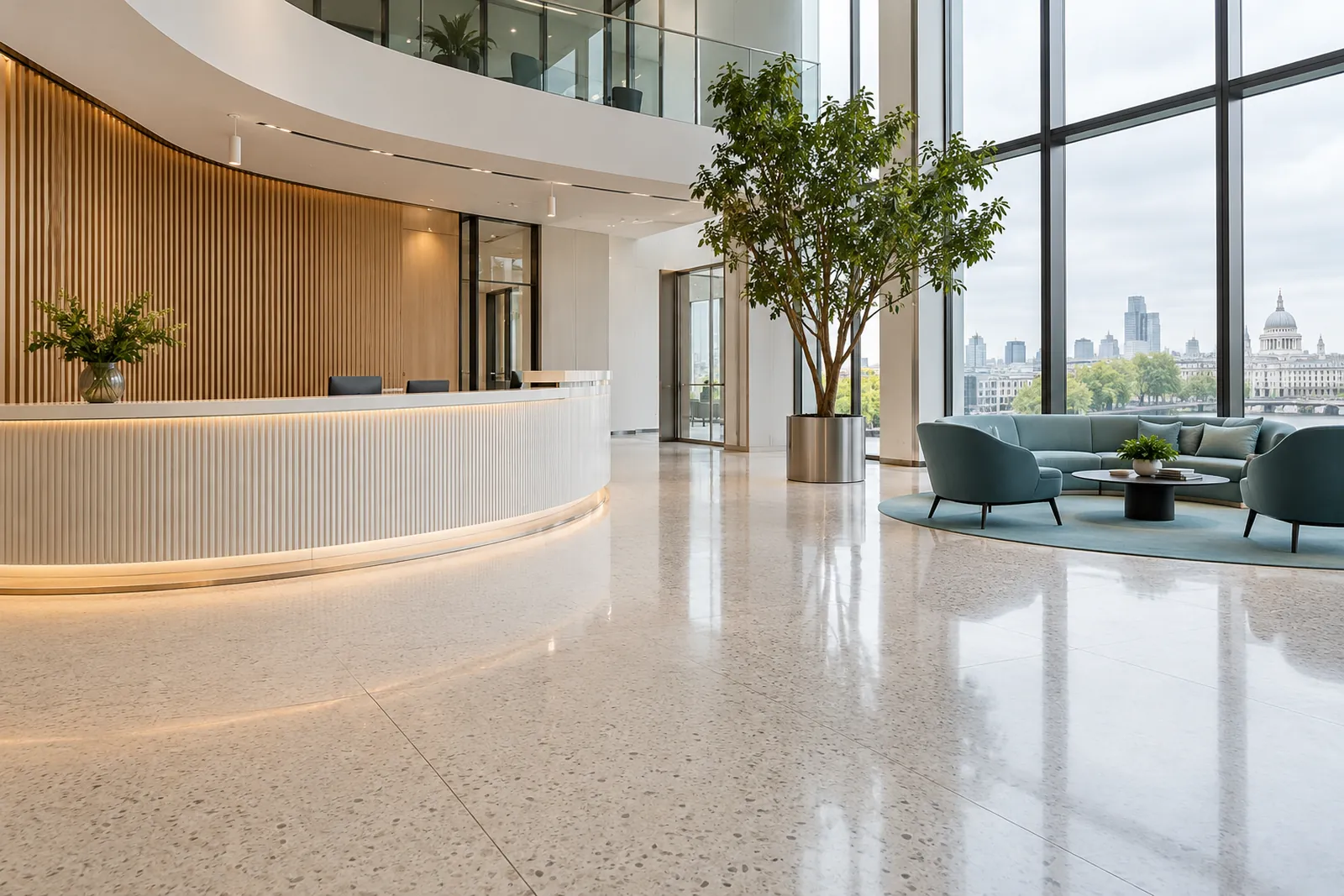 Offices · Schools · Commercial & Industrial
Our Expertise
Different Spaces.
The Same Attention.
Regular care, a detailed reset, or a new cleaning contract. Start with the service your premises actually need.
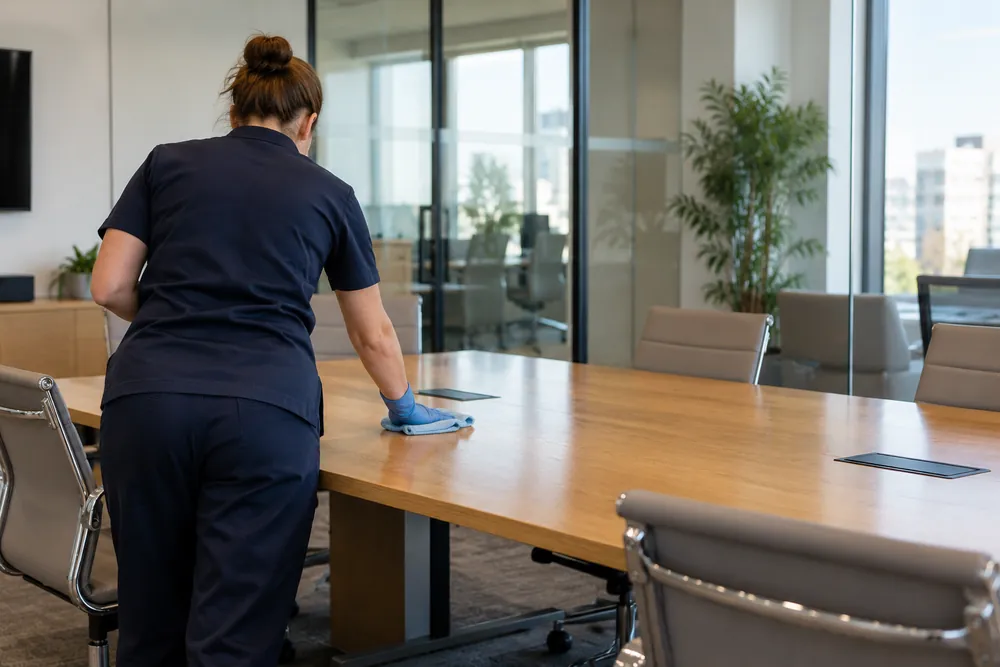
Office Cleaning
Desks, meeting rooms and shared spaces. A considered routine for the whole working day.
Explore this service →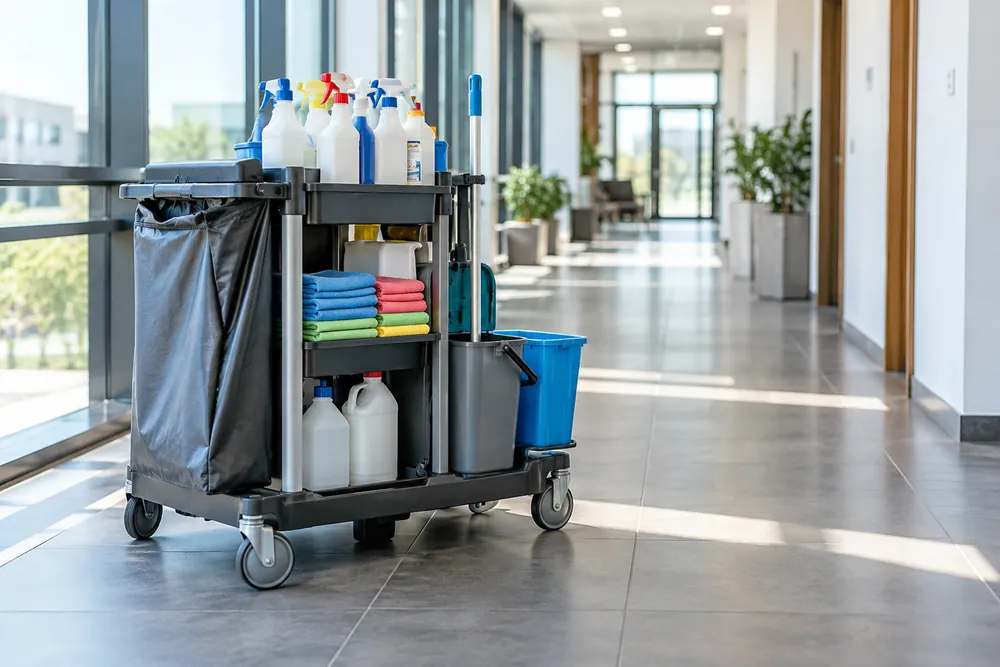
Contract Cleaning
An agreed schedule, clear responsibilities and a consistent standard to check against.
Explore this service →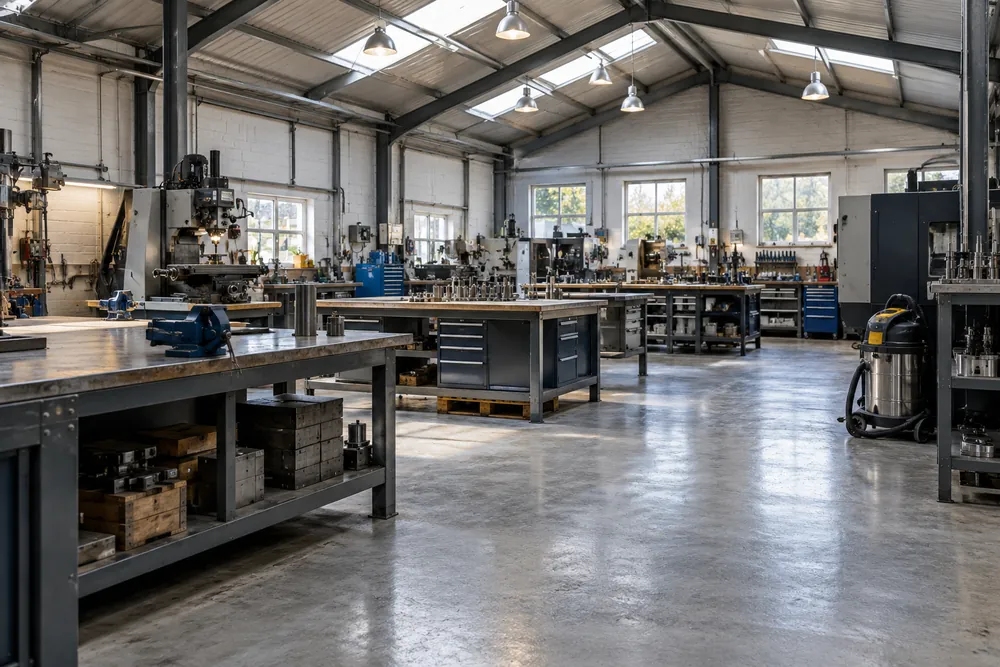
Industrial Cleaning
Practical cleaning for workshops and production premises, with the risks assessed first.
Explore this service →
School Cleaning
Classrooms, corridors and welfare areas, organised around the school timetable.
Explore this service →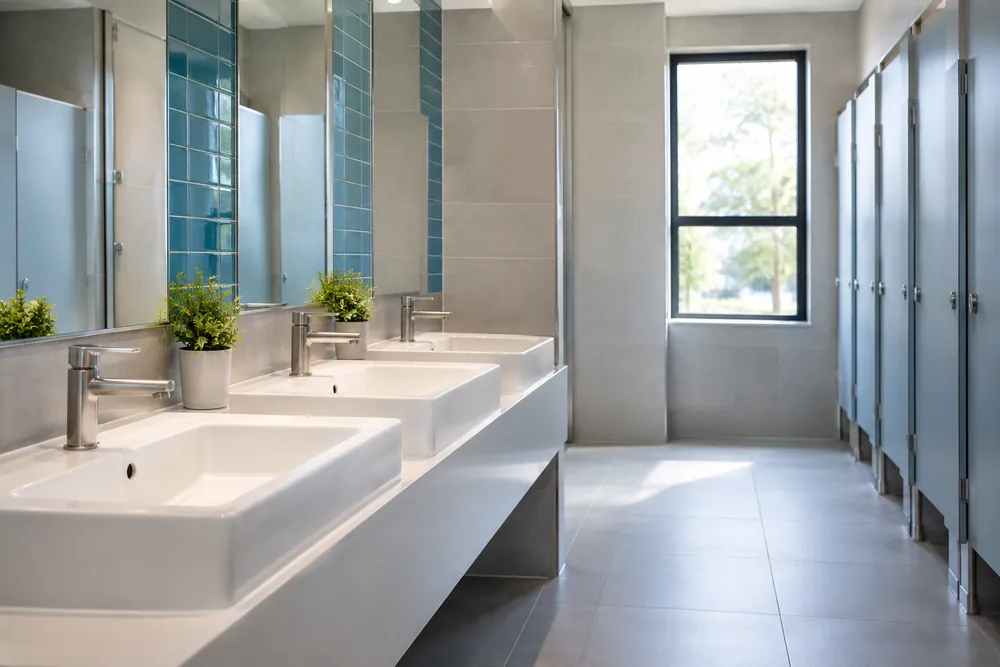
Washroom Services
Clean facilities, replenished essentials and sensible separation of cleaning equipment.
Explore this service →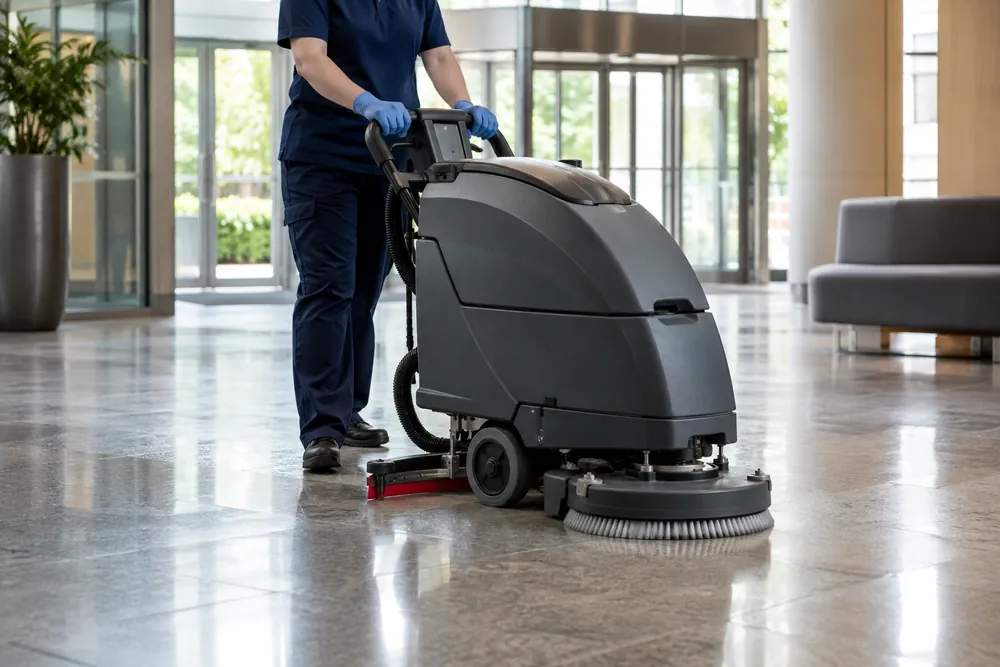
Commercial Deep Cleaning
Detailed attention to the edges, surfaces and build-up that routine visits cannot cover.
Explore this service →
Warehouse Cleaning
Aisles, floors and staff areas, coordinated with loading, picking and vehicle movements.
Explore this service →Clean With Purpose
Good Cleaning Goes
Beyond The Surface.
Commercial cleaning is the organised care of business premises, including floors, fixtures, shared facilities and the surfaces people use throughout the day. The useful part is the detail: which areas need attention, what a safe method looks like and how the finished work will be checked. A tidy entrance matters, but a clean staff kitchen and a dry, usable washroom matter just as much.
We help facilities managers, business tenants, landlords, contractors and school leaders define that detail. Start with the building and how it is used, rather than a generic list of tasks. A lightly used meeting room needs a different routine from a busy reception, and a warehouse staff entrance brings in different soil from an upper-floor office.
Our approach brings regular cleaning and occasional detailed work into one understandable specification. It makes responsibilities easier to manage and quotations easier to compare. Tell us where the current routine falls short, whether that is dust on ledges, washroom supplies running out or floors that never seem properly clean.
Read about our approach →Who Needs A Commercial Cleaning Schedule?
Most business workplaces in Birmingham need arrangements that keep their premises sufficiently clean. The Workplace (Health, Safety and Welfare) Regulations 1992 include cleanliness duties under Regulation 9, applying to workplaces within their scope in England. Read Regulation 9. Hiring a cleaning contractor is a choice about how to meet the need, rather than a universal legal requirement.
Employers retain duties towards employees and people affected by their activities. Landlords and managing agents may have responsibilities for common parts or facilities under their control, while tenants need to check the division set out in their lease. A cleaning contract should state where that boundary falls, particularly in shared washrooms, entrances, lifts and stairwells.
Schools need a routine that fits teaching, meals, activities and school holidays. Factories and distribution premises need a separate view of production soil, pedestrian routes and operational restrictions. Clinical environments, food production and other higher-risk activities may require additional controls, so these should be identified before a general commercial cleaning specification is accepted.
The Right Frequency For Each Room
A useful schedule follows use and contamination. Washrooms and busy kitchens often need attention during the day as well as a closing clean, while a room used only for occasional meetings may need less frequent work. Start by noting occupancy, visitor traffic, waste generation and the surfaces touched repeatedly.
Set out routine tasks separately from periodic work. Routine tasks might include accessible desk surfaces, vacuuming, hard floor cleaning, bin liners and washroom care. Periodic tasks might cover carpet extraction, machine scrubbing, reachable high dusting and detailed cleaning around floor edges or fixtures.
Match the method to the material. A resilient floor finish, natural stone threshold and carpet tile do not all tolerate the same chemistry or moisture. Record the flooring, any manufacturer instructions and known damage so a cleaner can select a suitable approach and avoid making an existing problem worse.
From Enquiry To Routine
A Clear Start.
A Practical Plan.
Describe Your Space
Tell us the business postcode, premises type and the areas you need cleaned. Include occupancy, preferred visit times and the issue prompting the enquiry.
A floor plan, approximate area and room list help separate the daily essentials from tasks needing a closer look.
Agree The Detail
The scope should cover rooms, surfaces, methods, frequency and supplies. Access restrictions, storage, water, power and waste arrangements need to be understood before work is agreed.
Where a visit is needed to assess the building, the next step can be discussed from your initial information.
Check The Finish
Agree what will be inspected and who will receive any issues. A named business contact, practical checklist and agreed review points make the service easier to manage.
If use of the building changes, revisit the schedule so neglected areas and unnecessary tasks can be addressed.
Making The Budget Work
What Shapes
Your Cleaning Quote?
A useful quotation explains the work and the assumptions behind it. Floor area alone cannot describe the labour needed to clean a building with multiple washrooms, narrow stairs and a busy reception. The starting condition also matters, because a detailed first clean may be needed before a maintenance routine can deliver the expected finish.
Ask for clarity about labour, equipment, consumables, periodic work and VAT where applicable. Compare quotations using the same room list and frequencies. A lower total can simply mean fewer tasks, shorter visits or exclusions you were expecting to be covered.
- Layout & Surface Types
Open space, stairs, furniture density and sensitive finishes affect the method and time.
- Use & Visit Frequency
Occupancy, shift patterns and visitor traffic influence how often each area needs work.
- Access & Equipment
Parking, security, lifts and machine access affect how work can be organised.
- Supplies & Extra Tasks
Soap, paper products, carpet extraction and other additions should be itemised.
Birmingham & Nearby Districts
Local Context.
Practical Thinking.
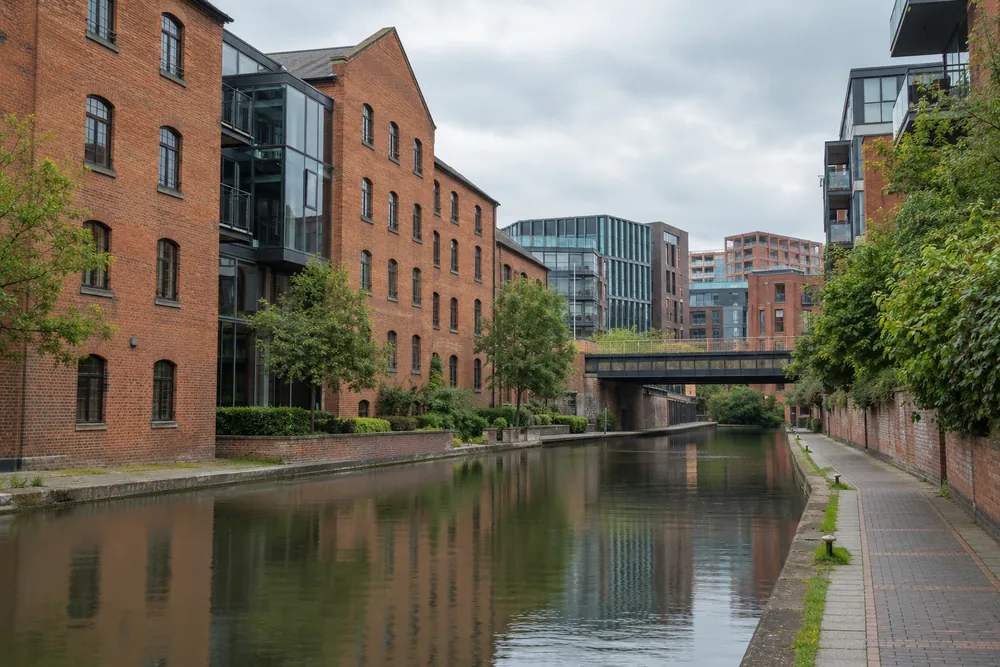
Birmingham has a varied mix of commercial settings. Digbeth includes creative premises such as the Custard Factory and The Bond, while the Jewellery Quarter combines makers, shops and hospitality. Edgbaston includes Georgian buildings alongside its visitor and business activity. Explore Birmingham’s districts. Read the council’s Digbeth overview.
Those settings prompt different cleaning questions. In a converted building, check stair access, fragile finishes and the distance from storage to the work area. In a modern shared office, check responsibility for communal facilities and the effect of daytime occupancy. These are scoping considerations, rather than assumptions about any individual property.
Find your area and plan access →Safe Methods, Sensible Controls
Cleaning should leave a usable building, with the risks of the work managed as well as the visible soil. Wet floors, trailing cables and equipment left in a route can create hazards. The work plan should account for who might enter an area and when it can safely reopen. HSE guidance on cleaning and slips.
Cleaning chemicals need appropriate assessment, storage and use under the Control of Substances Hazardous to Health Regulations 2002, known as COSHH. Product information, the actual task and exposure routes all inform the controls. Staff need instructions on dilution, ventilation and suitable protection, rather than relying only on the warning label. HSE guidance for cleaners.
Keep a clear boundary around specialist work. Suspected asbestos, unknown dust, sharps, hazardous residues, high-level access and the internals of machinery should not disappear into a general cleaning instruction. Raise these before a quotation so the competence, equipment and separate arrangements required can be considered.
A Specification You Can Actually Use
Ask for a schedule organised by area, with the required task and frequency against each room. State whether desks must be clear, whether bins include recycling, and how locked rooms will be accessed. Avoid treating a phrase such as “clean all areas” as a substitute for a workable agreement.
Decide how exceptions will be handled. If a meeting runs late, a room is locked or a damaged surface cannot be cleaned safely, a record should explain what happened and who needs to act. A missed area should lead to a clear follow-up rather than uncertainty about whether it was included.
For ongoing work, agree review arrangements and how changes are priced. New staff, a different shift pattern or a refurbished floor can change the workload. A documented variation helps the building contact understand the effect before the cleaning schedule is adjusted.
Choosing The Service That Fits
Use office cleaning for a regular routine in desk areas, meeting rooms and shared office facilities. Use contract cleaning when you need an ongoing specification with review arrangements across the building. Industrial and warehouse cleaning require more detail about operational access, soil types and interfaces with vehicles or equipment.
School cleaning needs timetable and safeguarding considerations at the planning stage. Washroom services focus on facilities and the supplies that keep them usable. Commercial deep cleaning is useful when accumulated soil or neglected areas need a defined reset before a regular routine can maintain the result.
When you enquire, include the rooms involved, the present condition and any deadline that genuinely affects access. If the service is not yet clear, select “Not sure yet” and explain the problem. That gives a better starting point than choosing an impressive-sounding label that may not match the work.
Your Questions
Before We Get Started.
How Much Does Commercial Cleaning Cost In Birmingham?
Commercial cleaning costs in Birmingham depend on the floor area, room types, frequency and access arrangements. Washrooms, stairs and heavily used kitchens can take more time than open floor space. Share a floor plan and a task list so the quotation can separate routine visits, periodic work, consumables and any specialist tasks.
Is Commercial Cleaning A Legal Requirement?
Commercial cleaning is part of meeting workplace cleanliness duties, although the law does not generally require you to hire an external contractor. Employers and others controlling premises must address the duties that apply to them. A suitable cleaning schedule helps, but does not replace risk assessment, maintenance or management of the building.
Can Cleaning Take Place Outside Office Hours?
Cleaning outside office hours can be included in the scope where staffing and access arrangements allow it. Agree keys, alarm procedures, lone working checks and secure lock-up before the first visit. Some tasks may still need a daytime contact, especially when equipment must be moved or a shared area closed temporarily.
What Is Included In A Cleaning Contract?
A cleaning contract should identify the rooms, tasks, frequencies and expected finish, together with access, supplies and inspection arrangements. It should also explain what is excluded and how extra work is authorised. Separate regular cleaning from periodic carpet extraction, floor treatments and other tasks so competing quotes cover the same requirements.
Do You Cover Premises Outside Birmingham City Centre?
Cleaning enquiries can cover premises across Birmingham and nearby districts, including Smethwick, West Bromwich and Oldbury. Give the full business postcode rather than just a town name. Access, the task specification and the proposed visit pattern all need checking before coverage and availability for a particular building can be confirmed.
Is Deep Cleaning Different From Regular Cleaning?
Deep cleaning targets accumulated soil and less accessible surfaces that a routine visit is not designed to address. It may include floor edges, reachable high surfaces, detailed washroom work and cleaning behind movable furniture. Agree the exact tasks first, because the term alone does not define a measurable result or include every specialist treatment.
Can We Change Our Existing Cleaning Contractor?
Changing a cleaning contractor starts with checking the current agreement, notice arrangements and the work you need to transfer. TUPE may apply to a service provision change, depending on the circumstances. Raise this during procurement so the parties can assess employee information and transfer obligations before a replacement service begins.
A Cleaner Start
Tell Us What
Needs Cleaning.
A useful quote starts with the details.
Share your premises type, location and the work you have in mind. We will use your enquiry to discuss a suitable cleaning scope and next steps.
Enquiries may be passed to a suitable local cleaning firm with your agreement.